This article explores in detail the working principles, main types, and application scenarios of vacuum pumps, analyzing their specific uses across various fields through practical examples.
I. Working Principles of Vacuum Pumps
The fundamental function of a vacuum pump is to extract gas from a sealed space using various methods, thereby creating and maintaining a vacuum state. Based on their working principles, vacuum pumps can be categorized as follows:
1. Rotary Vane Vacuum Pump
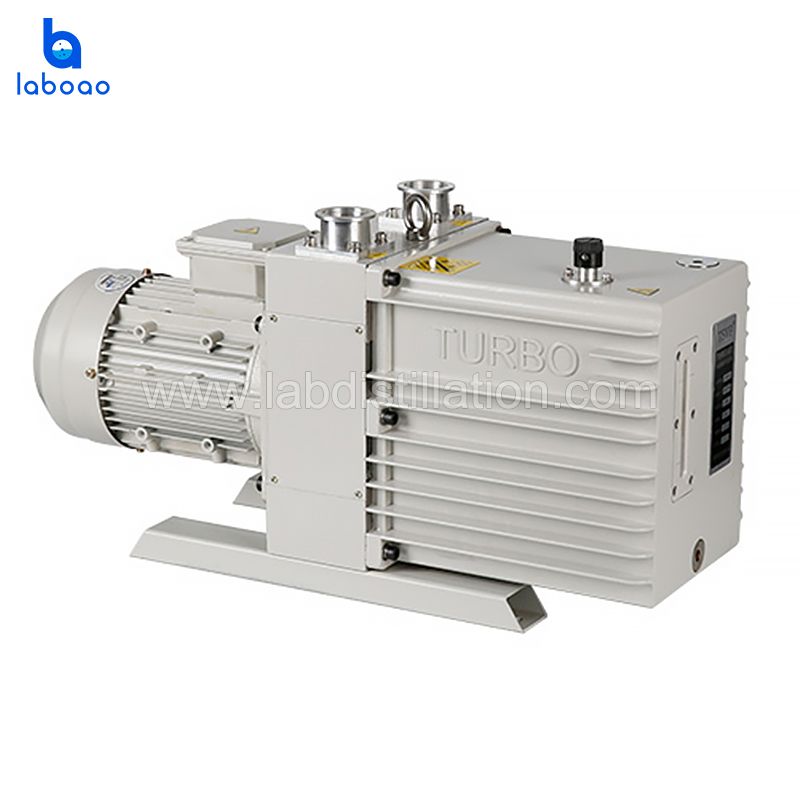
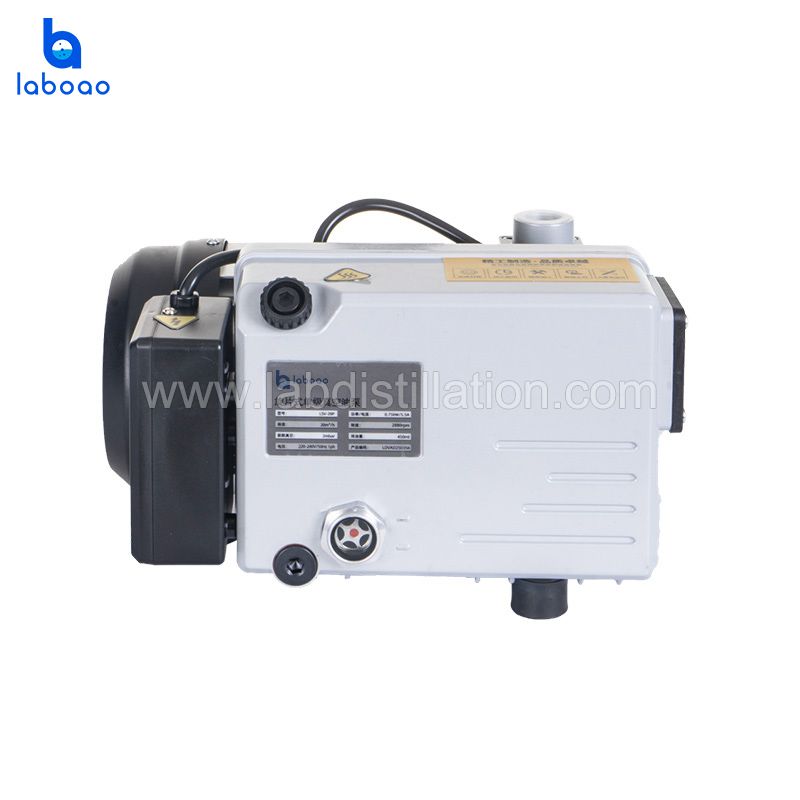
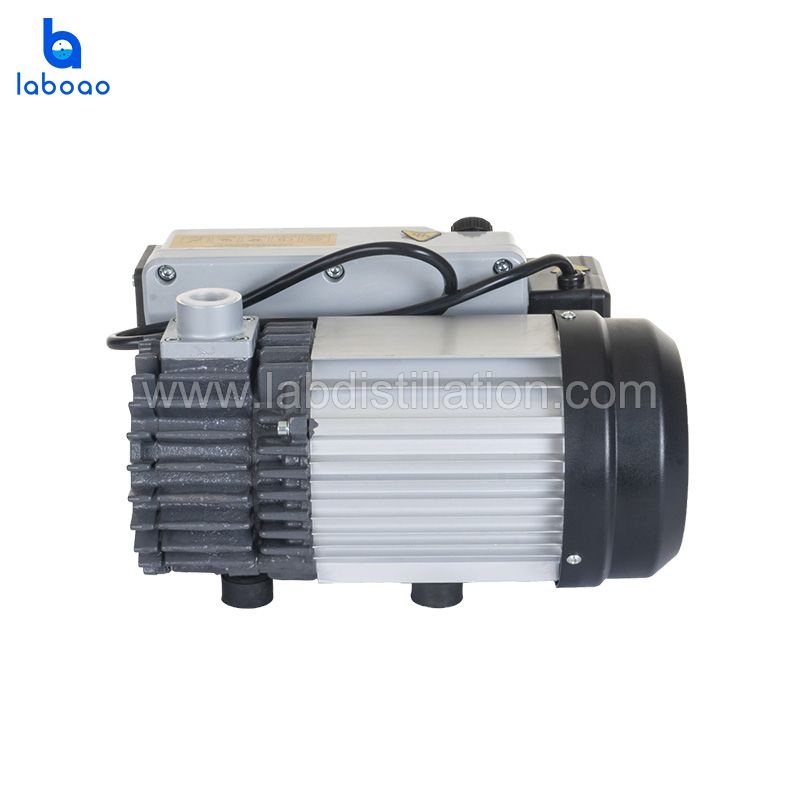
The rotary vane vacuum pump is an oil-sealed mechanical vacuum pump classified as a low-vacuum pump, with an operating pressure range of 101,325 Pa to 1.33 × 10⁻² Pa. It consists of an eccentrically mounted rotor and several sliding vanes. As the rotor spins, centrifugal force presses the vanes against the inner wall of the pump chamber, forming a series of variable-volume spaces. The continuous rotation of the rotor causes these volumes to change, thereby facilitating gas intake, compression, and discharge. Rotary vane pumps are widely used in production and research sectors—including metallurgy, machinery, defense, electronics, chemicals, light industry, petroleum, and pharmaceuticals—offering high pumping speeds and low ultimate pressures.
2. Roots Vacuum Pump
The working principle of the Roots pump is similar to that of a Roots blower. It consists of two rotors rotating synchronously in opposite directions, maintaining a minute clearance between them without direct contact. As the rotors spin, gas is drawn from the inlet into the space (designated as v0) between the rotors and the pump casing, and is subsequently discharged through the outlet. Because the v0 space becomes fully sealed after intake, the gas undergoes neither compression nor expansion within the pump chamber. However, when the top of the rotor passes the edge of the exhaust port, the volume $v_0$ connects to the exhaust side; some gas backflows into volume $v_0$, causing a sudden rise in gas pressure. Roots pumps are typically used in combination with other types of vacuum pumps (such as rotary vane pumps) to enhance the system's pumping efficiency and ultimate vacuum level.
3. Screw Vacuum Pump
Screw vacuum pumps feature a helical rotor design, achieving gas intake and discharge through the rotation of two intermeshing screws. These pumps can typically achieve an ultimate pressure of around 0.01 Pa, making them suitable for specialized applications requiring extremely high vacuum levels. They offer advantages such as being oil-free, operating quietly, and allowing for easy maintenance, leading to their widespread use in fields like semiconductor manufacturing, electronic packaging, and vacuum coating.
II. Application Areas of Vacuum Pumps
Vacuum pumps are widely used across various industries; the following are several typical application scenarios:
1. Semiconductor Manufacturing: A vacuum environment is crucial for ensuring product quality during semiconductor manufacturing. Processes such as photolithography, ion implantation, and thin-film deposition require extremely high vacuum levels. Thanks to their low noise and oil-free operation, screw vacuum pumps are ideal for semiconductor manufacturing.
2. Electronic Packaging: Electronic packaging processes must be conducted in a high-vacuum environment to prevent atmospheric oxygen and moisture from damaging the chips. Vacuum pumps effectively remove gas from the packaging cavity, ensuring packaging quality.
3. Vacuum Coating: Vacuum coating technology is widely used in fields such as optics, displays, and decorative coatings. During the coating process, vacuum pumps evacuate gas from the coating chamber to create a high-vacuum environment, ensuring the quality and uniformity of the coating.
4. Chemical and Pharmaceutical Industries: Many reaction processes in the chemical and pharmaceutical industries require vacuum conditions to prevent contamination by impurities or to facilitate the chemical reaction itself. Vacuum pumps help evacuate gases from reaction vessels, ensuring stable and safe reaction conditions.
5. Food Processing: In food processing, vacuum packaging technology extends shelf life and prevents oxidation and microbial contamination. Vacuum pumps are used to evacuate air from packaging bags, ensuring effective packaging.
III. Selection and Maintenance of Vacuum Pumps
Selecting the appropriate vacuum pump is key to ensuring the system operates correctly. When selecting a vacuum pump, the following aspects should be considered:
1. Application requirements: Choose the appropriate type of vacuum pump based on specific process requirements. For instance, applications requiring an ultra-high vacuum might call for a screw vacuum pump, whereas water-ring or rotary-vane pumps may be more economical choices for general industrial use.
2. Operating environment: Consider the operating environment, including factors such as temperature, humidity, and dust levels. Certain types of vacuum pumps are sensitive to environmental conditions, so it is important to select a model with good adaptability.
3. Maintenance costs: Maintenance costs vary significantly among different types of vacuum pumps. Oil-free pumps, such as screw pumps, are relatively easy to maintain, while oil-sealed pumps—like rotary-vane models—require regular oil changes and entail higher maintenance costs.
4. Energy consumption and noise: Selecting a vacuum pump with low energy consumption and low noise levels helps reduce operating costs and improves the working environment.
During daily operation, the vacuum pump should undergo regular inspection and maintenance to ensure it remains in good working condition. Common maintenance tasks include cleaning filters, checking seals, and changing lubricating oil. Promptly identifying and addressing malfunctions can extend the pump's service life and enhance operational efficiency.